


Uptime Kuma vs Better Uptime vs Freshping: Which Monitoring Tool Fits Your Team?
Apr 29, 2026 4 min read
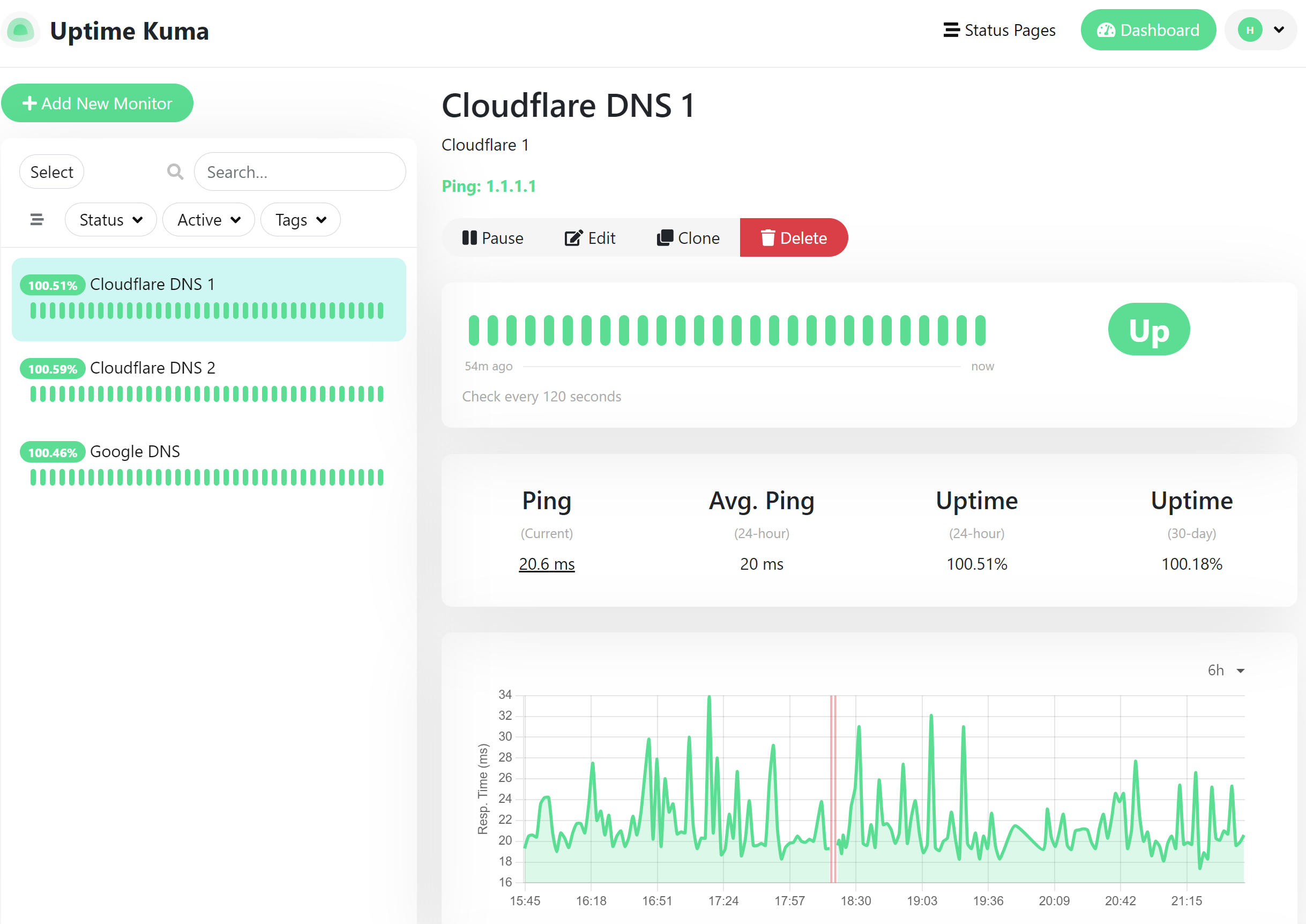
Uptime monitoring sounds like a solved problem — you set up a tool, it pings your site, it alerts you when something breaks. But once you actually compare the options side by side, the differences become significant fast. Uptime Kuma, Better Uptime, and Freshping represent three very different philosophies about how monitoring should work, who it's for, and what it costs.
This comparison is aimed at small teams and founders who are tired of either overpaying for monitoring or spending weekends maintaining it.
Uptime Kuma is an open-source, self-hosted monitoring tool that's exploded in popularity over the past few years. It's built by a solo developer (Louis Lam) and maintained by a large open-source community. You install it on your own server — or use a managed host — and get a clean, real-time dashboard, public status pages, and a surprisingly deep set of notification integrations.
Better Uptime is a polished SaaS monitoring platform with a strong focus on incident management. It goes beyond simple uptime checks: you get on-call schedules, incident timelines, status pages, and integrations with tools like PagerDuty and Slack. It's built for teams that treat uptime as a process, not just a metric.
Freshping is part of the Freshworks ecosystem — the same company behind Freshdesk and Freshservice. It offers a free tier and integrates naturally with other Freshworks products. It's a solid choice if your team is already in that ecosystem, but it's harder to recommend as a standalone tool.
Check frequency and types vary significantly. Better Uptime goes down to 30-second check intervals on paid plans. Freshping offers 1-minute intervals even on the free tier. Uptime Kuma is as frequent as you configure it — 20-second intervals are common — and supports HTTP, TCP, DNS, ping, Docker container monitoring, and more. In terms of raw check types, Uptime Kuma has the widest range.
Status pages are table stakes for modern monitoring, and all three deliver. Better Uptime's status pages are the most polished — they look professional out of the box, support custom domains, and handle incident updates cleanly. Uptime Kuma's status pages are highly customizable and entirely functional, though they require a bit more configuration to look great. Freshping's status pages work, but they feel secondary to the rest of the product.
Alerting and notifications is where the tools diverge most sharply. Better Uptime has a genuine on-call management system — you can set up rotations, escalation policies, and acknowledgment workflows. Freshping relies heavily on email and Freshdesk integration. Uptime Kuma supports 90+ notification channels including Telegram, Discord, Slack, PagerDuty, webhooks, and more — but it doesn't have built-in on-call rotation logic.
Incident management is Better Uptime's strongest suit and the clearest reason to choose it over the others. If your team has an SLA and a defined incident response process, Better Uptime gives you the tooling to back that up. The other two don't really compete here.
This is the part of the comparison that often gets skipped in quick reviews, but it matters more than most teams realize. With Better Uptime and Freshping, your monitoring data lives on their servers. That's fine for most use cases — but it means your uptime history, status page data, and alert configurations are all controlled by a third-party service.
With Uptime Kuma, you own everything. The data sits in your database, on your infrastructure. You can export it, back it up, and migrate it without asking anyone's permission. For teams operating under data residency requirements — particularly in the EU — this distinction is significant.
Here's the honest reality: Better Uptime requires zero infrastructure knowledge. You sign up, add your URLs, and you're monitoring in minutes. Freshping is similar. You don't need to know anything about servers, Docker, or databases.
Uptime Kuma requires at least a basic understanding of how to run a server application. If you're self-hosting, you need to handle installation, updates, backups, and SSL. That's real overhead — which is exactly why managed hosting for Uptime Kuma has become popular. You get the data ownership and cost advantages of self-hosting without the maintenance burden.
Choose Better Uptime if your team has formal incident response processes, you need on-call rotation built into your monitoring tool, or you're managing uptime as a customer-facing commitment. The polish and structure are worth the price for teams that treat incidents seriously.
Choose Freshping if your team is already inside the Freshworks ecosystem and you want monitoring that integrates naturally with your support desk. As a standalone monitoring tool, it's harder to justify.
Choose Uptime Kuma if you want full control over your data, you're monitoring a mix of services (HTTP, Docker, databases, TCP ports), and you don't need built-in on-call rotation. It's the most flexible option and, on managed hosting, the maintenance overhead disappears entirely.
SaaS monitoring tools often look affordable at first glance. But most meaningful features — shorter check intervals, more monitors, team seats — sit behind paid tiers. Uptime Kuma is free forever as software. The only cost is hosting, which on a managed platform means a predictable flat rate regardless of how many monitors or team members you add.
For a team monitoring 20–50 services with multiple notification channels and a public status page, the cost difference between a SaaS monitoring tool and a managed Uptime Kuma instance can be substantial over 12 months.
There's no universally right answer here. Better Uptime wins on incident management and ease of use. Freshping wins if you're already on Freshworks. Uptime Kuma wins on flexibility, data ownership, and long-term cost — especially when the infrastructure complexity is handled for you.
For teams that want a monitoring setup that scales without their bill scaling with it, Uptime Kuma on managed hosting is the most defensible long-term choice.